7-Day Diet Plan for High Blood Pressure DASH Guide 2026 to Lower BP Naturally
Discover A smart 7-day diet plan for high blood pressure can change that story. This guide explains a proven DASH diet meal plan pdf, also called a powerful high blood pressure diet, designed to protect your heart and lower risk. High blood pressure affects millions of Americans. Many people do not feel symptoms. Yet the damage builds quietly.
Doctors often call it the gold standard because it follows the NIH recommended diet and aligns with American Heart Association guidelines. It focuses on whole grains and fiber, lean protein sources, and potassium-rich foods. At the same time, it reduces processed foods and sodium and respects the sodium intake limit (1500 mg / 2300 mg). Let’s explore how this structured weekly Free meal plan for high blood pressure for hypertension works in real life.
This guide is based on widely accepted medical research such as the DASH diet, American Heart Association guidelines, and NIH nutrition recommendations. It is for educational purposes only and not a replacement for medical advice.
What Doctors Recommend for High Blood Pressure?
High blood pressure happens when the force of blood against artery walls stays too high. Doctors measure it using systolic and diastolic pressure. A normal reading is around 120 over 80. Stage 1 hypertension begins at 130 over 80. Over time, pressure damages arteries and raises heart disease risk reduction concerns.
Uncontrolled pressure harms the brain, kidneys, and heart. It also affects cholesterol and blood pressure balance. Many Americans eat too much salt and too few vegetables. That is why a focused diet for stage 1 hypertension and structured 7 day diet plan for high blood pressure pdf control diet plan becomes essential.
Explain simply:
- reduce sodium intake
- increase potassium foods
- follow DASH eating pattern
- avoid processed foods
Why Diet Matters for Controlling Blood Pressure
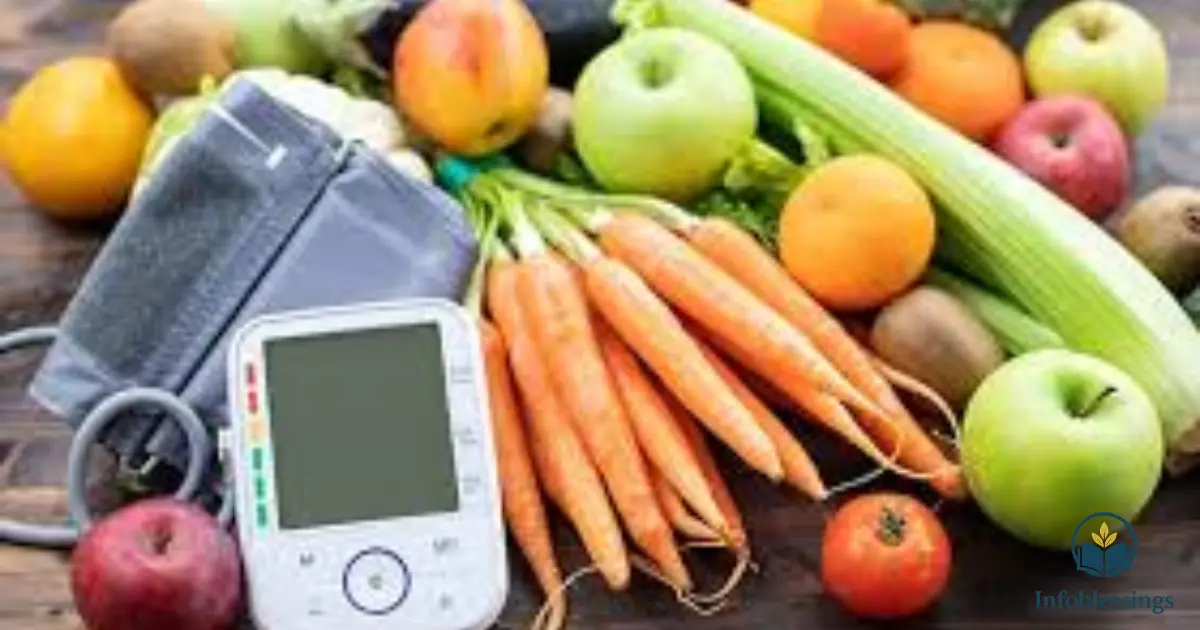
Food directly affects artery function. Salt increases fluid retention. That raises pressure. Following a low sodium diet plan reduces strain on vessels. Staying within the sodium intake limit (1500 mg / 2300 mg) can lower readings within weeks. Diet influences weight management and blood pressure at the same time.
Nutrients also relax blood vessels. Potassium-rich foods balance sodium. Proper magnesium and calcium intake supports vessel tone. These changes support long-term lifestyle modifications for hypertension. A strong hypertension meal plan works better than random food swaps.
This plan is commonly used in real dietary practice for hypertension support.
What Is the DASH Diet and How It Works
The DASH approach means Dietary Approaches to Stop Hypertension. This DASH eating pattern was created after clinical trials showed clear blood pressure drops. It forms the backbone of a trusted heart healthy eating plan and structured DASH meal plan 7 days strategy.
The plan emphasizes fruits, vegetables, and whole grains and fiber daily. It promotes lean protein sources like fish and beans. Compared with a Mediterranean diet comparison, DASH focuses more strictly on sodium control. That makes it ideal as a diet to lower blood pressure fast.
Foods to Eat on a High Blood Pressure Diet
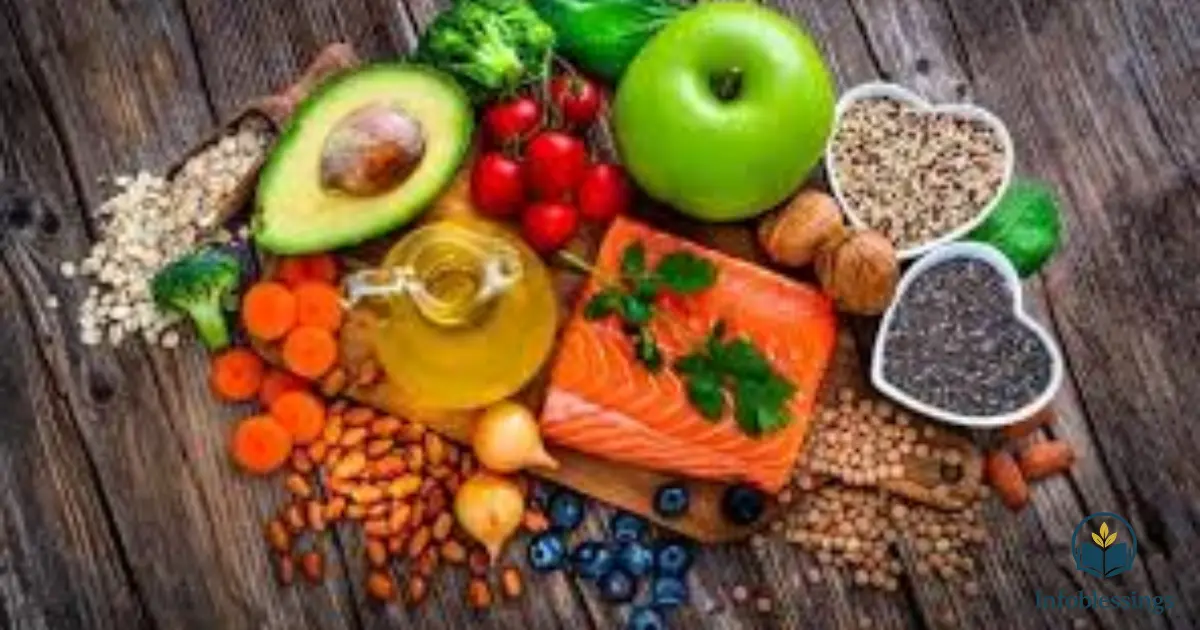
Certain foods act as natural protectors. Spinach, bananas, beans, yogurt, oats, salmon, and almonds fit perfectly into a high blood pressure diet. These are strong blood pressure lowering foods because they provide potassium and fiber.
The table below shows core DASH food groups for a balanced heart friendly diet chart.
| Food Group | Daily Target | Health Benefit |
|---|---|---|
| Vegetables | 4–5 servings | Provide potassium-rich foods |
| Fruits | 4–5 servings | Add antioxidants |
| Whole Grains | 6–8 servings | Support whole grains and fiber intake |
| Lean Proteins | 2–3 servings | Supply lean protein sources |
| Low-Fat Dairy | 2–3 servings | Improve magnesium and calcium intake |
This structure forms the base of your healthy eating for high BP routine.
Foods to Avoid If You Have High Blood Pressure
Salt hides everywhere. Canned soups, deli meats, frozen dinners, sauces, and chips contain high amounts of processed foods and sodium. These foods can quickly exceed the sodium intake limit (1500 mg / 2300 mg).
Sugary drinks and heavy alcohol also disrupt weight management and blood pressure balance. Fast food often mixes salt and unhealthy fats. Avoiding these items strengthens any low salt diet menu and improves long-term heart disease risk reduction.
7-Day Diet Plan for High Blood Pressure
A structured 7-day diet plan for hypertension gives clarity. Instead of guessing, you follow a planned weekly meal plan for hypertension. Each day balances protein, fiber, and healthy fats while limiting sodium.
Real-Life Example
A 40–50 year old person with stage 1 hypertension followed a low sodium DASH diet for 3 weeks. Their blood pressure improved from 138/88 to 124/80 with daily walking and reduced processed food intake.
Here is a sample overview of a practical DASH meal plan 7 days structure:
| Day | Breakfast | Lunch | Dinner |
|---|---|---|---|
| Monday | Oatmeal with berries | Grilled chicken salad | Baked salmon with quinoa |
| Tuesday | Greek yogurt and fruit | Turkey whole-grain wrap | Lentil soup and brown rice |
| Wednesday | Scrambled eggs and spinach | Bean salad bowl | Grilled tofu with vegetables |
This layout continues through Sunday. It forms a complete BP control meal plan that supports artery health.
Day-by-Day Breakdown (Breakfast, Lunch & Dinner)
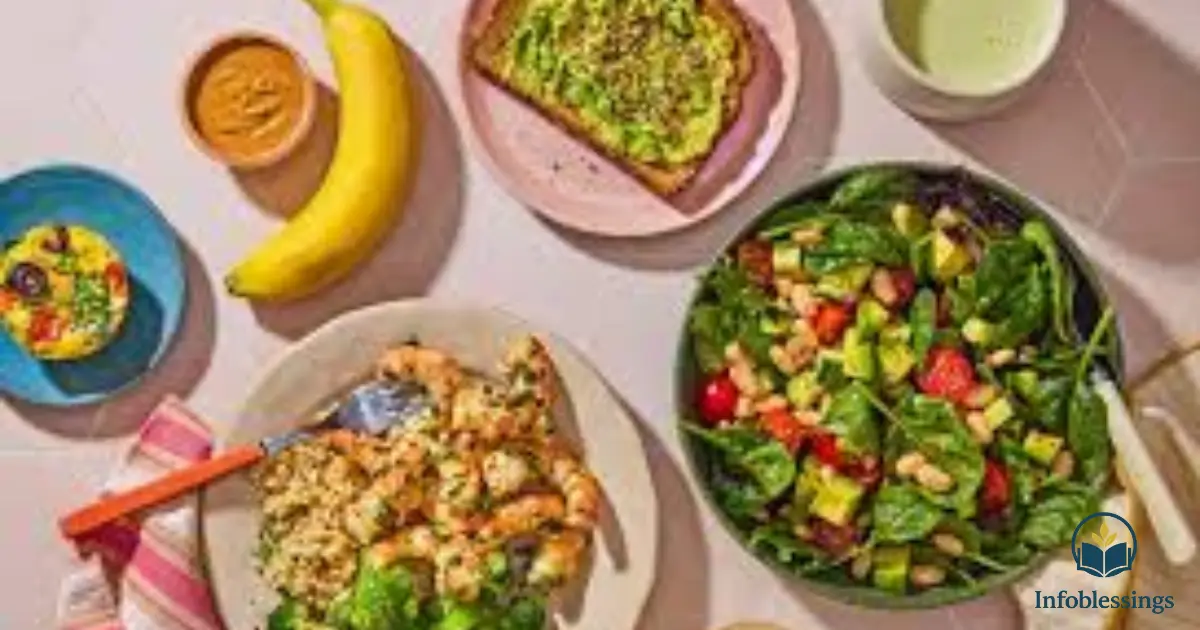
Each day in the BP control meal plan balances nutrients carefully. Breakfast focuses on oats, fruit, or eggs. Lunch centers on vegetables and lean protein. Dinner remains lighter yet satisfying. Snacks include nuts or yogurt to stabilize energy.
Daily sodium stays controlled. Fiber intake remains high. This steady rhythm supports a realistic diet to lower blood pressure fast without extreme restriction. It also promotes better cholesterol and blood pressure balance over time.
Printable Grocery List for the Week
A grocery list keeps your hypertension meal plan organized. Buy spinach, kale, apples, bananas, oats, brown rice, beans, lentils, salmon, chicken breast, low-fat milk, and unsalted nuts. Choose fresh or frozen produce without added salt.
Pantry basics should include olive oil, garlic, herbs, and vinegar. These help flavor meals without salt. This organized method strengthens your low sodium diet plan and makes your heart healthy diet chart easier to follow.
Portion Sizes and Serving Recommendations
Portion control matters. A palm-sized serving works well for protein. A fist equals one cup of vegetables. Whole grains should fill about one quarter of the plate. This pattern mirrors the DASH eating diet plain pattern.
Following these proportions supports steady weight management and blood pressure control. It also prevents overeating. Consistency matters more than perfection in any diet for stage 1 hypertension.
Low-Sodium Cooking Tips for Better Heart Health
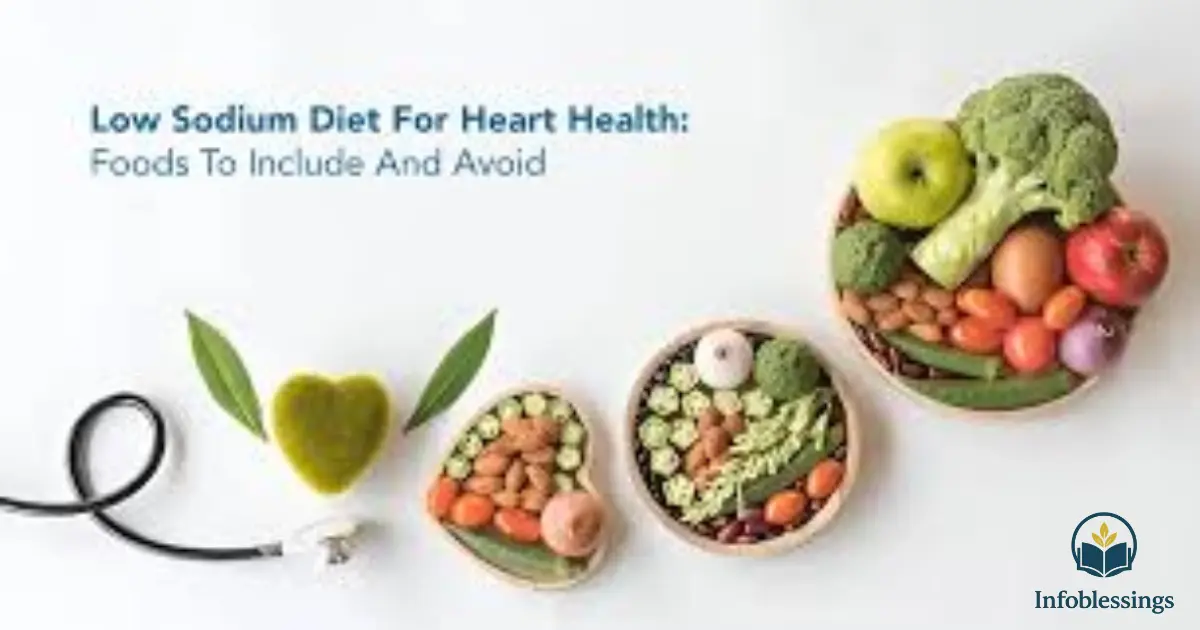
Flavor does not require salt. Lemon juice, garlic, smoked paprika, cumin, and rosemary add depth. Rinse canned beans before use. Choose fresh meat instead of cured meat. These habits reduce hidden sodium.
Cooking at home gives you control. Reading labels carefully avoids excess salt. Over time, your taste buds adjust. This supports natural ways to reduce blood pressure and improves adherence to your low salt diet menu.
Can This Diet Help With Weight Loss?
Yes, it can. Many people lose weight on a high blood pressure diet because they eat fewer processed foods. Increased vegetables and fiber improve fullness. That reduces calorie intake naturally.
Weight loss improves cholesterol and blood pressure numbers. Even losing ten pounds can reduce systolic pressure significantly. This connection between weight management and blood pressure makes the 7-day diet plan blood pressure lowering diet doubly effective.
Lifestyle Tips to Lower Blood Pressure Naturally
Diet alone is powerful. Still, exercise enhances results. Aim for 150 minutes of walking weekly. Sleep seven to eight hours nightly. Manage stress through breathing or prayer. These steps support lifestyle modifications for hypertension.
Combining movement with your heart friendly diet chart accelerates improvement. Many people see lower readings within weeks. These simple actions create sustainable natural ways to reduce blood pressure beyond food.
Who Should Be Careful with This Diet
Explain:
- kidney disease patients
- people on potassium medication
- elderly patients
Trusted Medical Sources
- American Heart Association DASH Diet
- NIH Hypertension Guide
- CDC High Blood Pressure Facts
Common Mistakes People Make
- thinking “low fat = healthy always”
- eating hidden salt in sauces
- skipping potassium foods
- not tracking sodium intake
Conclusion
High blood pressure does not need to control your future. A structured 7-day diet plan for high blood pressure offers clarity and direction. By following a proven DASH diet plan, limiting sodium, and focusing on whole foods, you protect your arteries daily.
Stay consistent. Keep meals simple. Focus on balance instead of perfection. Over time, your numbers improve. Your energy rises. Your heart thanks you.
FAQs
What is a BP meal plan?
A BP meal plan is a diet plan designed to help manage blood pressure. It focuses on low salt foods, fruits, vegetables, and heart-healthy nutrients to support better cardiovascular health.
What is the best diet plan for high blood pressure?
The best plan follows the DASH eating approach, focuses on whole foods, and reduces sodium to support steady blood pressure control.
Can a 7-day diet really lower blood pressure?
Yes, a structured low-sodium eating plan can help improve blood pressure levels within days, especially when combined with healthy lifestyle changes.
Is the DASH diet part of this eating plan?
Yes, most effective heart-healthy meal plans are based on the DASH method, which is proven to support long-term blood pressure management.
What foods should be avoided for better blood pressure control?
Avoid processed foods, sugary drinks, salty snacks, and packaged meals that contain high levels of sodium and unhealthy fats.
How much sodium should I consume daily?
Experts recommend keeping sodium intake between 1,500 mg and 2,300 mg per day for better heart health and blood pressure control.
Can this diet help with weight loss?
Yes, a balanced heart-healthy diet can support natural weight loss because it reduces processed foods and encourages nutrient-rich meals.
Is exercise important along with diet?
Yes, regular physical activity like walking improves results and helps maintain healthy blood pressure levels over time.

I am an expert writer committed to delivering insightful, engaging, and results-driven business content. With a deep understanding of market trends and evolving industry dynamics, I create content that informs, empowers, and helps readers stay ahead in today’s competitive landscape.
My focus is on producing high-quality, value-driven content that not only captures attention but also builds trust and long-term impact. Let’s achieve more together!