Organ Procurement Organization (OPO) 2026: How It Works, Why It Matters & Who Regulates It
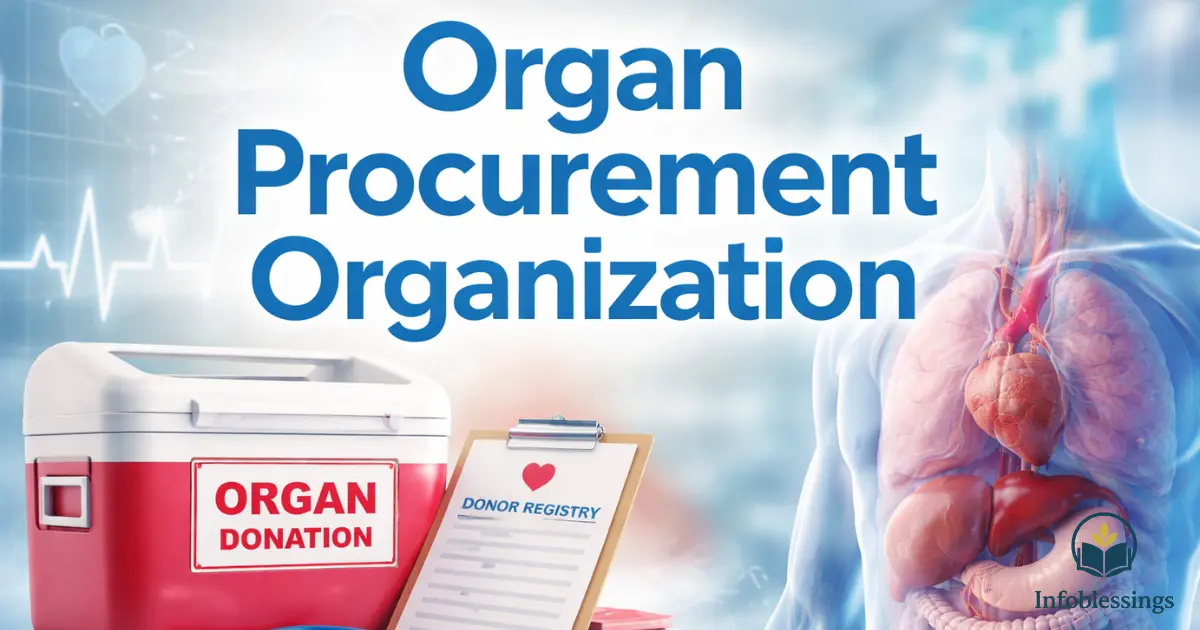
The United States depends on Organ Procurement Organization (OPO) to manage the complex organ donation process and ensure that donated organs reach patients in need. These organizations work closely with organ transplant centers and hospitals to coordinate every step of the organ recovery process, from identifying potential donors to arranging safe transportation.
By maintaining a detailed donor registry and collaborating with the national transplant network, OPOs maximize the number of successful transplants each year. Their work supports life-saving organ donation while adhering to strict ethical and legal standards, making them an essential part of the healthcare system and vital for patients on the organ transplant waitlist.
What Is an Organ Procurement Organization (OPO)?
An Organ Procurement Organization (OPO) is an entity responsible for managing organ donation in a specific geographic region. They work with hospitals, organ transplant centers, and families to identify potential donors and facilitate hospital organ procurement. The primary goal of an OPO is to ensure that life-saving organ donation occurs efficiently and fairly, following all legal and ethical standards. These organizations maintain a donor registry to track consented donors and coordinate with the transplant network to match organs with patients.
OPOs operate under strict federal regulations and are evaluated on performance metrics such as the number of organs recovered and transplanted. They are essential for connecting patients on the organ transplant waitlist with suitable donors. By ensuring that the organ allocation system functions smoothly, OPOs maximize the number of successful transplants each year.
How Organ Procurement Organization Work in the United States
Organ Procurement Organization begin by identifying potential donors in hospitals. They evaluate medical eligibility, confirm consent, and coordinate with transplant centers to plan the organ recovery process. Advanced logistics ensure that organs are transported quickly and safely, often across state lines. OPOs also maintain detailed records in the donor registry, which is critical for compliance with U.S. organ transplant laws.
The workflow of OPOs requires continuous transplant coordination with surgeons, hospital staff, and transportation teams. Every step is monitored to reduce errors and maximize transplant success. Some organizations have adopted digital tracking systems to improve response times, demonstrating how technology enhances organ donor registration and allocation efficiency.
The Role of OPOs in the U.S. Organ Donation Process
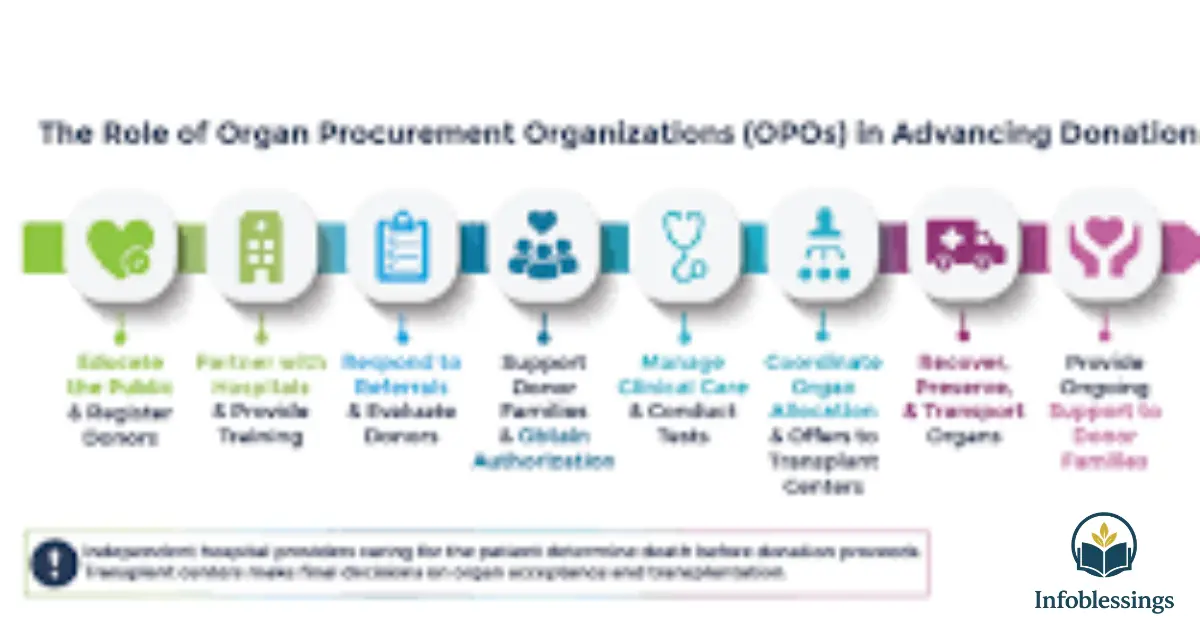
Organ Procurement Organization act as the central link between donors and recipients. They educate families about organ donation eligibility and provide family support in organ donation decisions. By managing consent, recovery, and distribution, OPOs ensure that ethical organ allocation is maintained, preventing misuse or inequity.
The transplant network relies on OPOs to maintain high standards of care and accurate communication. Through hospital organ procurement and coordinated transplant logistics, OPOs ensure that organs reach compatible patients in a timely manner. Without this organized system, life-saving organ donation could be delayed, affecting patient survival rates.
Who Regulates Organ Procurement Organizations in America?
OPOs are regulated by the Centers for Medicare & Medicaid Services (CMS), which monitors performance and compliance with federal standards. CMS enforces rules to ensure transparency, accountability, and efficiency in the organ procurement regulation process. Organizations must demonstrate high rates of successful organ recovery and proper coordination with organ transplant centers.
Federal oversight also involves audits and performance reviews, ensuring that each OPO meets expectations under U.S. organ transplant laws. By regulating OPOs, CMS protects patients, donors, and families while supporting the broader organ allocation system nationwide.
How OPOs Coordinate With Hospitals and Transplant Centers
Coordination is key to successful organ donation. Organ Procurement Organization maintain real-time communication with hospitals to identify potential donors and plan the organ recovery process. They collaborate with organ transplant centers to ensure surgical teams are ready and that organs reach patients quickly.
This coordination includes scheduling procedures, managing transportation, and tracking organ transplant statistics in America. The process ensures that the transplant network functions without delays, reducing the time patients spend on the organ transplant waitlist and improving outcomes for recipients.
The Importance of Organ Procurement Organization Performance and Accountability
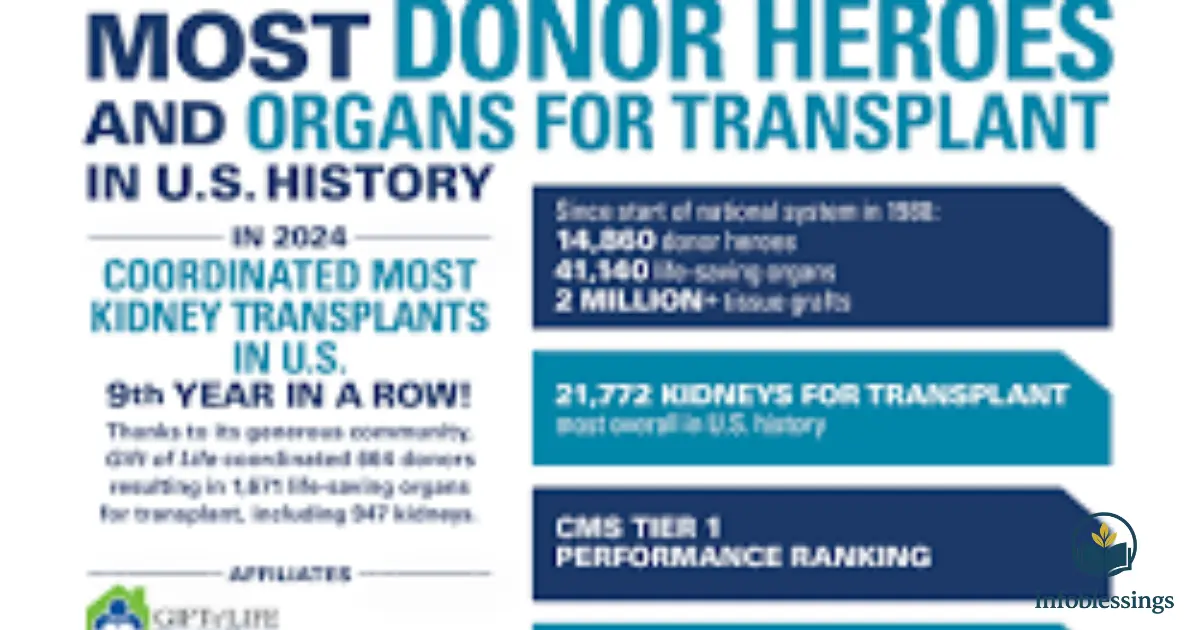
Organ Procurement Organization performance is measured by how effectively they recover and transplant organs. Metrics include the number of organs recovered, successful transplant rates, and adherence to the National Organ Transplant Act. High-performing OPOs save more lives and strengthen public trust in life-saving organ donation.
Accountability also includes community education, improving organ donor registration, and outreach to underrepresented populations. Through regular evaluation, OPOs maintain the integrity of the organ allocation system, ensuring ethical and efficient use of donated organs.
How Organ Allocation Is Managed Nationwide
The organ allocation system ensures that organs are distributed fairly based on urgency, compatibility, and geographic factors. The United Network for Organ Sharing (UNOS) manages the nationwide network, using sophisticated algorithms to match donors and recipients efficiently.
A simplified table illustrates the organ allocation process:
| Step | Description |
|---|---|
| Donor Identification | OPO identifies eligible donors in hospitals |
| Medical Evaluation | Organs are evaluated for quality and compatibility |
| Matching | UNOS algorithm matches organs with patients |
| Recovery | OPO coordinates organ recovery process |
| Transport | Organs are transported to organ transplant centers |
| Transplant | Surgery performed; outcomes tracked |
This system ensures that ethical organ allocation and timely delivery remain top priorities.
Challenges Facing Organ Procurement Organizations Today

OPOs face multiple challenges, including shortages of donors, logistical constraints, and disparities in organ donation eligibility awareness. Many hospitals lack trained staff for hospital organ procurement, which can delay the organ recovery process.
Public misconceptions about donation also reduce organ donor registration rates. Technological improvements and community outreach are essential to overcome these hurdles. Addressing these challenges ensures that life-saving organ donation continues efficiently across the country.
Recent Reforms and Policy Changes in the U.S. OPO System
The CMS has introduced new reforms to improve Organ Procurement Organization performance and transparency. Policies now require OPOs to meet stricter metrics on organ recovery and transplant success, strengthening public trust in organ procurement regulation.
Legislation also emphasizes accountability, with increased reporting requirements and audits. These changes impact the transplant network positively, ensuring that organs reach patients fairly and reducing the number of people on the organ transplant waitlist.
How Families Are Supported During the Donation Process
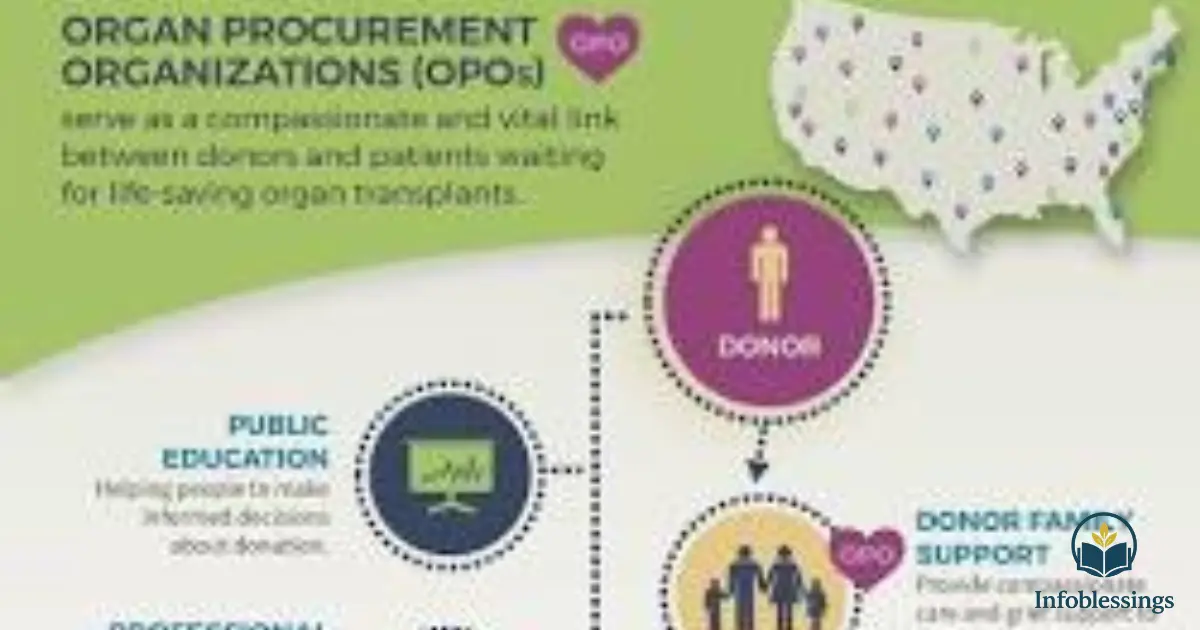
Families receive family support in organ donation through counseling, clear communication, and follow-up resources. OPOs help families understand the organ donation process, explain consent, and provide emotional guidance during difficult times.
Support programs also include resources for grief management and decision-making. By prioritizing family care, OPOs improve participation in organ donor registration and maintain the integrity of ethical organ allocation.
How to Become an Organ Donor in the United States
Becoming a donor is simple. Individuals can register through state registries, driver’s licenses, or online platforms. Understanding organ donation eligibility is essential, as some medical conditions may limit donation.
OPOs encourage organ donor registration and provide educational resources to guide potential donors. By joining the registry, Americans contribute to the transplant network and help save lives through life-saving organ donation.
The Future of Organ Procurement Organizations in America
The future of Organ Procurement Organization includes technology-driven solutions such as AI-assisted matching, digital donor tracking, and improved transplant coordination. These innovations can shorten wait times and increase successful transplants.
With continued policy reforms, community engagement, and advanced logistics, OPOs are set to expand their impact. The organ allocation system will become more efficient, ensuring that life-saving organ donation reaches every eligible patient nationwide.
FAQs
What is an Organ Procurement Organization and why is it important?
An Organ Procurement Organization manages organ donation, connecting donors to recipients, and ensures ethical organ allocation.
How can I register as an organ donor in the U.S.?
Through state registries, driver’s licenses, or online platforms, you can join the donor registry.
Who regulates OPOs and ensures accountability?
CMS monitors OPO performance and enforces organ procurement regulation nationwide.
What challenges do OPOs face today?
Shortages of donors, hospital coordination issues, and public awareness affect life-saving organ donation.
How does organ allocation work nationwide?
UNOS manages the organ allocation system, matching donors with patients based on compatibility, urgency, and location.

I am an expert writer committed to delivering insightful, engaging, and results-driven business content. With a deep understanding of market trends and evolving industry dynamics, I create content that informs, empowers, and helps readers stay ahead in today’s competitive landscape.
My focus is on producing high-quality, value-driven content that not only captures attention but also builds trust and long-term impact. Let’s achieve more together!