Chata Morgana: Meaning, Science, Causes & Real-Life Examples (2026)
Introduction
In this guide, you’ll discover what chata morgana really is, how it forms, and why it appears in places like deserts and oceans. We’ll break down the science in simple terms, explore real-life examples, and share expert insights to help you fully understand this captivating optical illusion.
Have you ever seen something in the distance that looked real—but turned out to be an illusion? That’s exactly where chata morgana comes in. Often confused with the more commonly known fata morgana mirage, this fascinating natural phenomenon tricks the human eye by bending light in unusual ways.
Whether you’re a curious beginner or someone interested in atmospheric science, this article will give you a complete, easy-to-understand explanation.
What Is Chata Morgana?
Chata morgana is a type of complex mirage phenomenon where distant objects appear distorted, stretched, stacked, or even floating above the horizon.
Featured Snippet Definition
Chata morgana is a rare optical illusion in nature caused by extreme atmospheric refraction. It occurs when layers of air at different temperatures bend light rays, making distant objects appear distorted, elongated, or elevated. This effect is commonly seen over oceans, deserts, or icy regions and is often mistaken for floating ships or cities in the sky.
How Chata Morgana Forms (Step-by-Step)
Understanding how chata morgana works doesn’t require advanced science—just a basic idea of how light behaves.
Step 1: Temperature Differences in Air Layers
When warm and cold air layers sit on top of each other, a temperature inversion occurs. This is the key trigger.
Step 2: Light Begins to Bend
Light normally travels straight, but in this situation, it bends due to light refraction.
Step 3: Multiple Layers Distort the Image
As light passes through several air layers, it creates stacked or stretched visuals.
Step 4: Your Eyes Interpret the Illusion
Your brain assumes light travels straight, so it misinterprets the image—creating the illusion.
Step 5: The Result
You may see:
- Floating ships
- Upside-down landscapes
- Stretched buildings
All of these are classic signs of a superior mirage like chata morgana.
Science Behind the Mirage
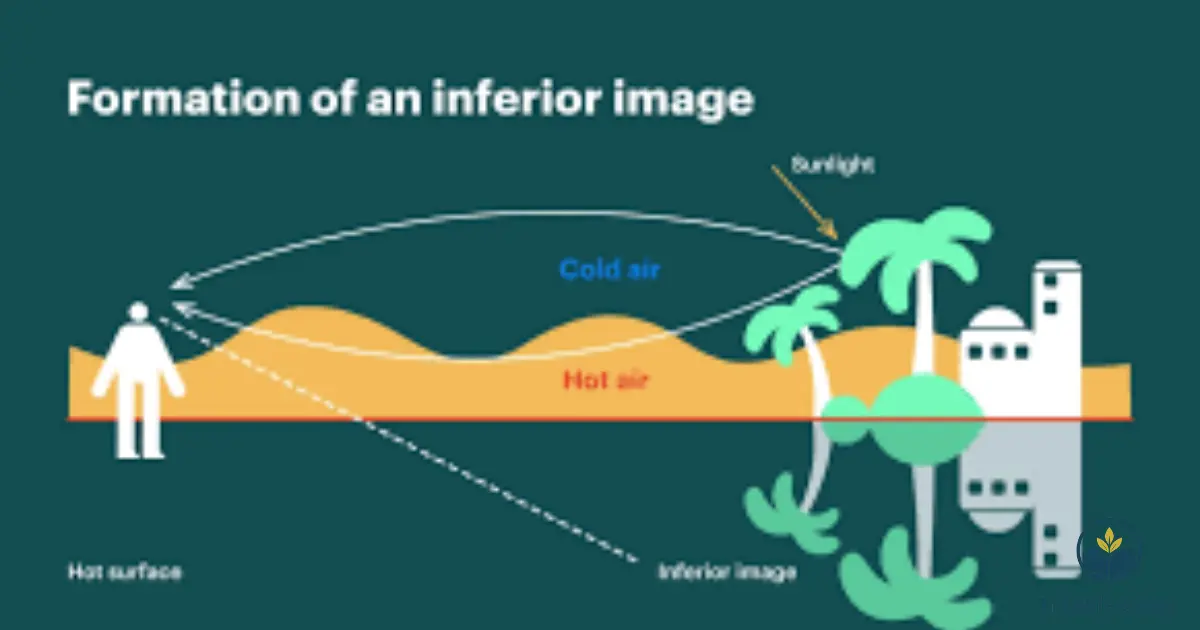
The science behind chata morgana is rooted in atmospheric physics.
Key Scientific Concepts
- Atmospheric refraction: Light bends when passing through air layers of different densities
- Temperature inversion: Warm air sits above cooler air, reversing normal conditions
- Light bending: Causes objects to appear shifted or distorted
Unlike simple mirages, chata morgana involves multiple layers of air, making it more complex and dramatic.
Why It Looks So Real
Because the human brain relies on straight-line vision, it cannot easily interpret curved light paths. This leads to convincing illusions that can look like real objects.
Types of Mirages Explained
To better understand chata morgana, it helps to compare it with other types of mirages.
1. Inferior Mirage
- Seen on hot roads
- Looks like water on the ground
- Caused by hot air near the surface
2. Superior Mirage
- Objects appear higher than they actually are
- Caused by temperature inversion
- More stable than inferior mirages
3. Chata Morgana (Complex Mirage)
- Extreme version of a superior mirage
- Rapidly changing shapes
- Multiple distortions and layers
Real-Life Examples of Chata Morgana
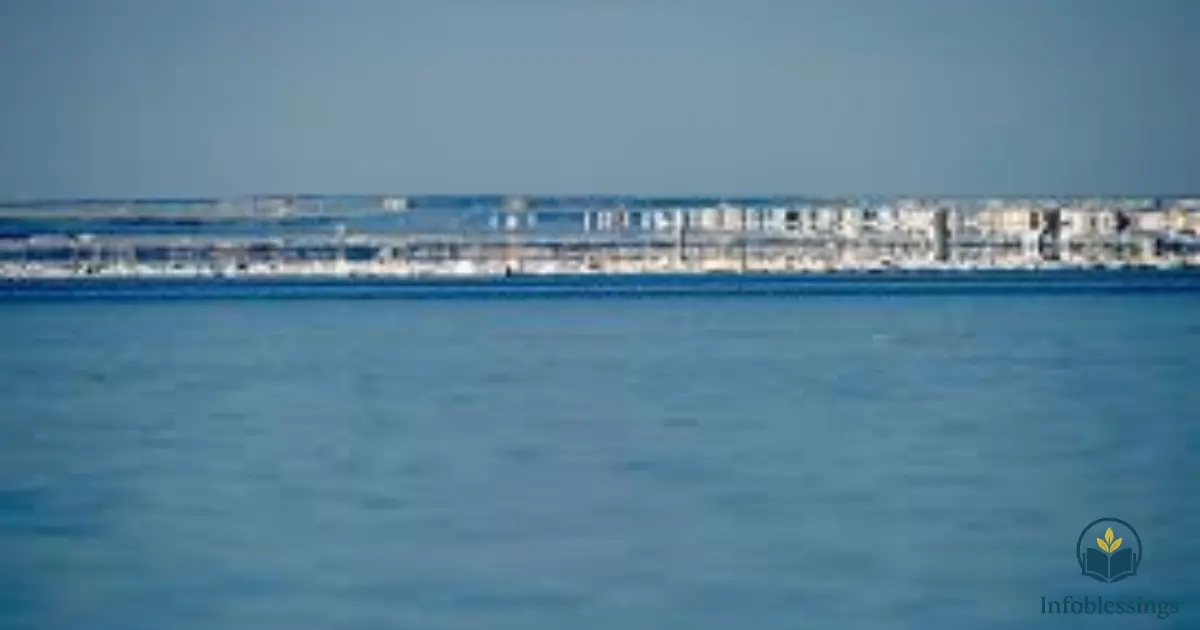
1. Floating Ships
One of the most famous examples is ships appearing to float above the ocean. This is due to light bending over cold water.
2. Phantom Cities
Sometimes, distant cities appear stretched or hovering in the sky—creating a surreal visual illusion in nature.
3. Desert Illusions
In hot deserts, travelers may see distorted landscapes due to extreme mirage phenomenon effects.
Where You Can See It in the USA
If you’re in the United States, you might witness chata morgana in certain locations:
Coastal Areas
- Great Lakes
- California coast
Deserts
- Arizona
- Nevada
Cold Regions
- Alaska
These areas often have the right conditions for temperature inversion and atmospheric refraction.
Key Benefits of Understanding This Phenomenon
Learning about chata morgana offers more than just curiosity.
Benefits
- Improves scientific awareness of optical illusions
- Helps travelers avoid confusion in deserts or oceans
- Enhances appreciation of natural phenomena
- Useful for photographers and nature enthusiasts
- Builds knowledge in atmospheric science
Common Mistakes to Avoid
Even though chata morgana is fascinating, many people misunderstand it.
Mistakes
- Thinking it’s supernatural or paranormal
- Confusing it with simple desert mirage
- Ignoring environmental conditions
- Assuming objects are actually floating
Understanding the science helps avoid these misconceptions.
Expert Tips / Pro Insights
If you want to observe or study chata morgana, keep these expert tips in mind:
1. Look During Early Morning or Late Afternoon
Temperature differences are stronger during these times.
2. Choose the Right Location
Coastal or desert areas are ideal for mirage phenomenon.
3. Use Binoculars or Camera Zoom
This helps you observe the distortion more clearly.
4. Stay Patient
These illusions can appear and disappear quickly.
5. Learn Weather Patterns
Understanding temperature inversion increases your chances of spotting one.
Practical Example
Imagine you’re standing near a large body of water. Suddenly, you notice a ship that appears to be floating above the horizon. As you watch, the ship stretches and changes shape.
This is a perfect example of chata morgana, where light refraction creates a surreal visual effect.
Conclusion
Chata morgana is one of the most fascinating natural illusions you can experience. By understanding the science behind atmospheric refraction, temperature inversion, and light bending, you can better appreciate how these stunning visuals occur.
Whether you’re exploring deserts, oceans, or simply learning about nature, this phenomenon reminds us how powerful and mysterious our environment can be.
If you’re interested in observing it yourself, start by exploring areas with strong temperature contrasts—and keep your eyes on the horizon.
FAQs
1. What is chata morgana in simple terms?
It’s a complex optical illusion where distant objects appear distorted or floating due to atmospheric refraction.
2. Is chata morgana the same as fata morgana?
Yes, they are closely related. Fata morgana mirage is the more commonly used term.
3. Where can I see chata morgana in the USA?
You can see it near coastal areas, deserts, and cold regions like Alaska.
4. What causes this phenomenon?
It is caused by temperature inversion and light bending through layers of air.
5. Is it dangerous?
No, but it can confuse travelers if mistaken for real objects.

I am an expert writer committed to delivering insightful, engaging, and results-driven business content. With a deep understanding of market trends and evolving industry dynamics, I create content that informs, empowers, and helps readers stay ahead in today’s competitive landscape.
My focus is on producing high-quality, value-driven content that not only captures attention but also builds trust and long-term impact. Let’s achieve more together!