
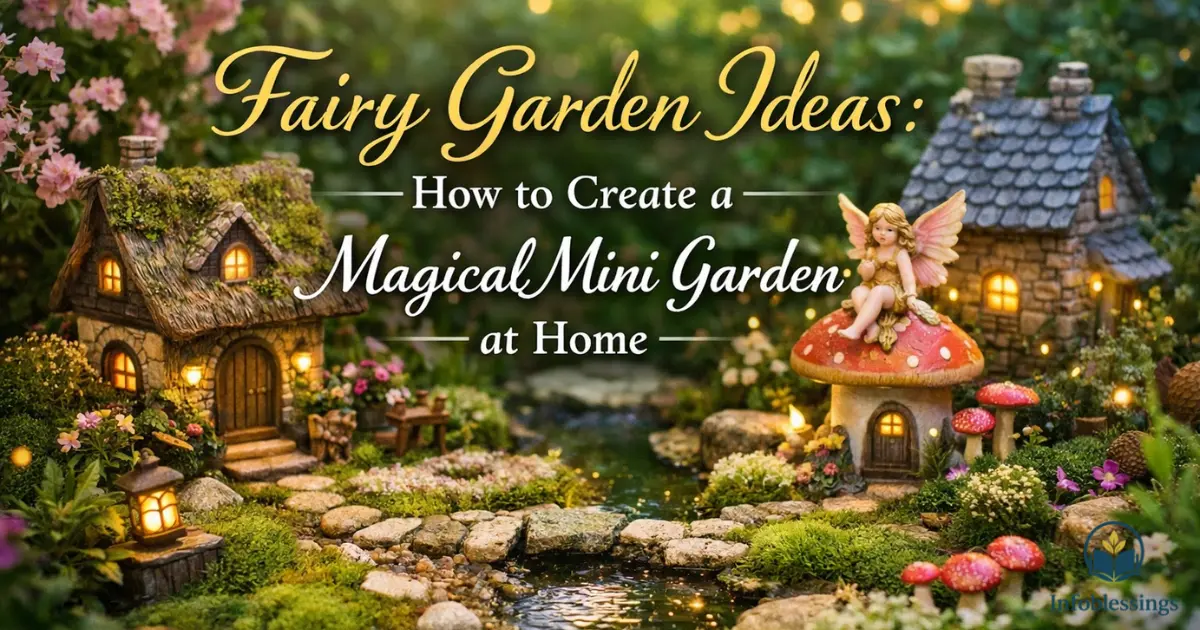
Fairy Garden Ideas: How to Create a Magical Mini Garden at Home
Creating a fairy garden at home opens the door to a world of imagination and creativity. These miniature landscapes transform ordinary spaces into enchanting escapes where every detail tells a story. Whether placed indoors on a windowsill or outdoors in a backyard corner, a fairy garden brings charm and calm to any setting. People around the USA and worldwide are embracing this trend as a fun and relaxing hobby that combines nature, design, and personal expression.
From tiny pathways and delicate plants to whimsical figurines and fairy garden accessories, every element contributes to a magical scene. Beginners can easily start with simple fairy garden ideas, while more experienced gardeners explore complex fairy garden setup or themed designs. Incorporating fairy garden plants that are easy to care for ensures lasting beauty. With creativity and care, anyone can create a magical mini garden that delights the senses and sparks joy in daily life.
What Is a Fairy Garden? Meaning, History & Why It’s So Popular
A fairy garden’s is a small decorative garden designed to look like a tiny world where fairies might live. The fairy garden meaning comes from old European folklore, where nature spirits were believed to protect forests and fields. Over time, this idea transformed into miniature landscapes filled with plants, tiny paths, and delicate decorations that tell a story.
Today, fairy garden’s are popular because they combine beauty and emotion. They reflect miniature garden design while allowing personal expression. People enjoy creating scenes that feel peaceful and imaginative. This enchanted garden concept feels comforting in a busy world and gives you a creative escape at home.
Why Fairy Garden’s Are Trending in the USA and Worldwide
Fairy gardens became popular in the USA as home décor and wellness trends grew stronger. Many people now value hands-on hobbies that reduce stress. Gardening on a small scale feels manageable and rewarding, especially for beginners.
Another reason is social sharing. Photos of creative fairy gardens inspire others online. This creative gardening hobby spreads easily because it works in many spaces and cultures. It supports small garden creativity while bringing joy to both adults and children.
Types of Fairy Garden: Indoor, Outdoor, Miniature & Themed Styles
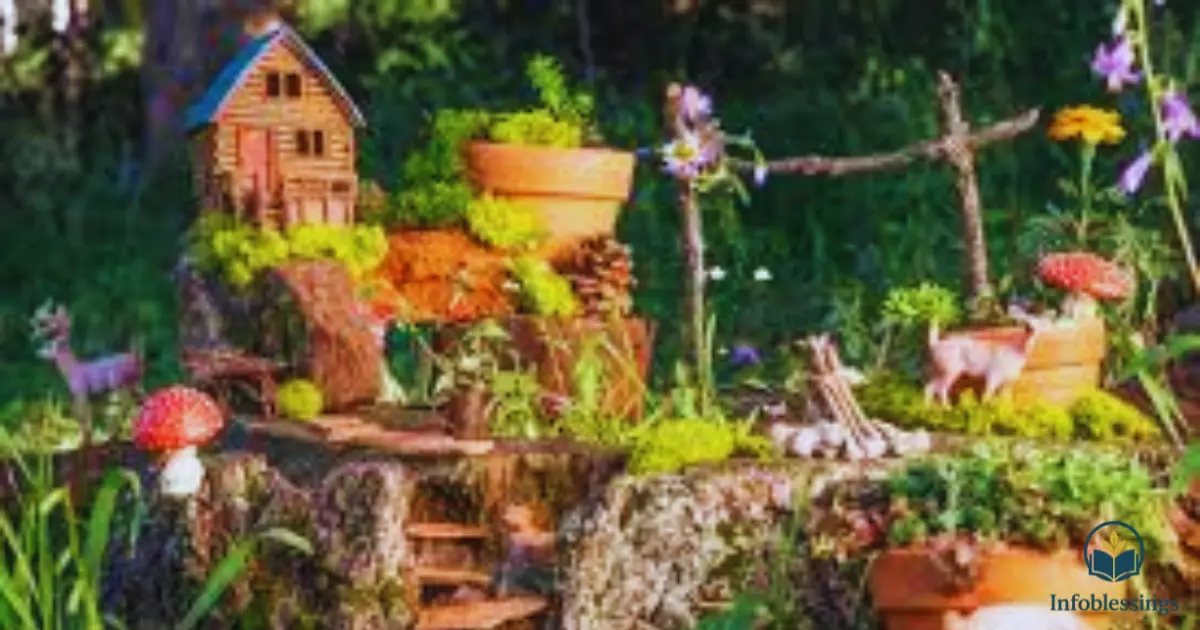
An indoor fairy garden’s fits well on tables, shelves, or window areas. It allows full control over light and moisture, which helps plants stay healthy. Indoor designs often focus on clean lines and calm colors, making them perfect for apartments.
An outdoor fairy garden’s blends naturally with the environment. It can sit under trees or near flower beds. Some people prefer themed designs, such as woodland or storybook styles. These fairy garden design ideas help match the garden to personal taste and surroundings.
How to Start a Fairy Garden: Step-by-Step Beginner Guide
A fairy garden for beginners starts with planning. Choosing the right container or ground space matters more than decoration at first. Drainage, sunlight, and scale should guide early decisions.
The fairy garden setup improves when you place items before planting. This prevents overcrowding and helps create balance. Taking time at this stage saves effort later and leads to a more natural look.
Best Plants for a Fairy Garden’s That Are Easy to Maintain
Fairy garden’s plants should stay small and grow slowly. Moss, succulents, and dwarf plants are popular because they require little care. Moss garden decor creates a soft, forest-like feel that suits fairy themes well.
The table below shows common plant options.
| Plant Type | Light Needs | Care Level |
|---|---|---|
| Moss | Low | Easy |
| Succulents | Bright | Easy |
| Mini Ferns | Medium | Moderate |
These choices help beginners maintain beauty without stress.
Fairy Garden Accessories: Mini Houses, Figures & Natural Decor Ideas
Fairy gardens accessories add personality and depth. Items like stones, wood pieces, and fairy houses and figurines help create scenes that feel alive. Natural materials blend better than bright plastic and age gracefully.
Garden miniatures should be placed carefully. Too many items can overwhelm the space. A thoughtful approach supports whimsical garden design while keeping the scene balanced.
DIY Fairy Garden Ideas Using Low-Budget & Recycled Materials
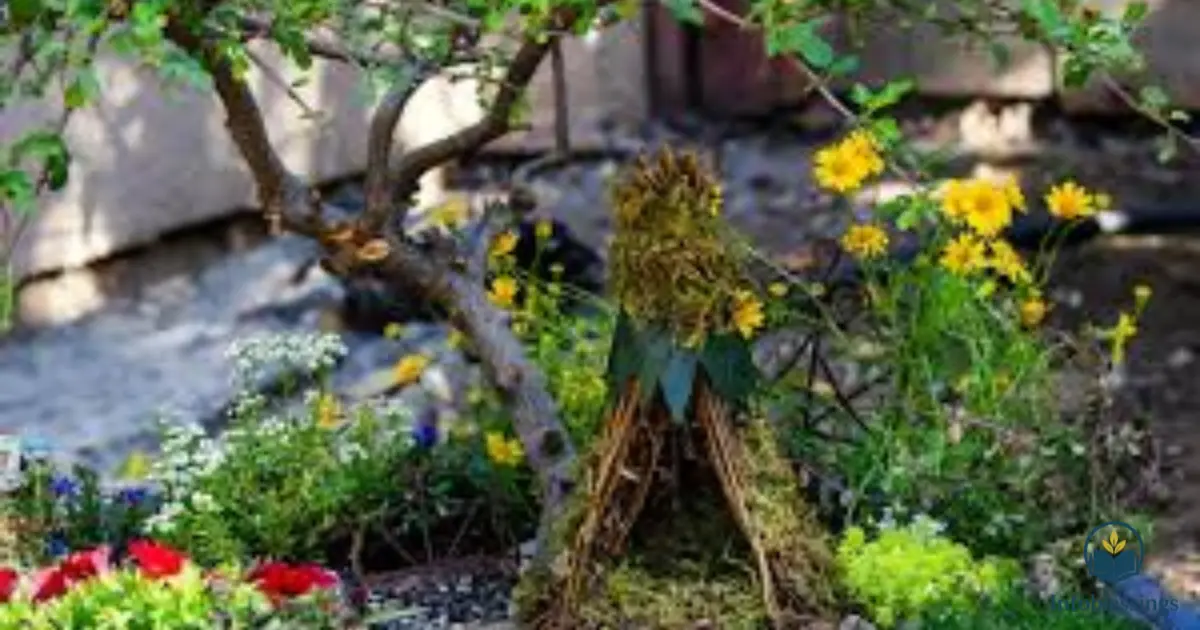
A DIY fairy gardens often feels more meaningful than store-bought setups. Old mugs, broken pots, and jars can become creative bases. This approach saves money and supports sustainability.
Recycled materials add character and charm. Many families enjoy crafting together, turning fairy garden decoration into a shared experience. This process makes the garden feel personal and unique.
Outdoor Fairy Garden Design Tips for Backyards, Patios & Lawns
A backyard fairy garden’s benefits from partial shade and protection from strong winds. Natural surroundings help maintain moisture and temperature. Placing it near shrubs often works well.
A patio mini garden works best in raised containers. This keeps it safe from foot traffic and pets. Outdoor designs feel more natural when they blend into existing landscapes.
Indoor Fairy Garden’s Setup for Apartments & Small Spaces
Indoor fairy gardens suit small homes and apartments. Shelves, desks, and windowsills support container gardening ideas without taking much space. Light control becomes easier indoors.
Good indoor plant styling keeps the garden fresh and organized. Rotating plants and cleaning containers improves appearance and plant health. This makes indoor gardens last longer.
Fairy Garden for Kids: Educational, Creative & Fun Benefits
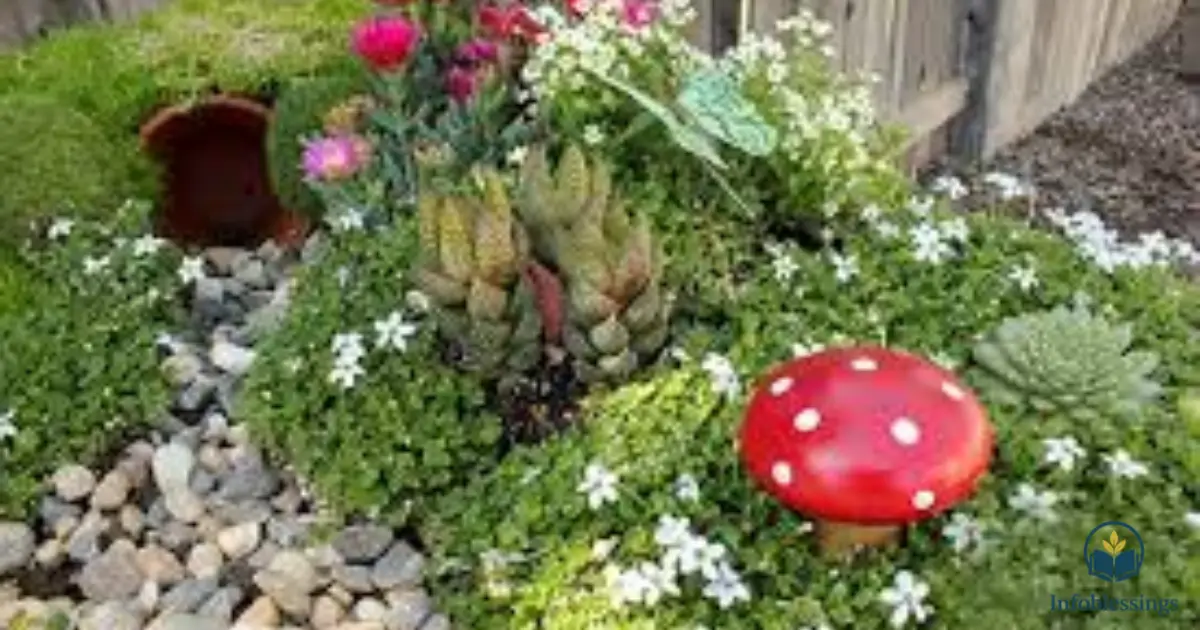
A fairy gardens for kids encourages imagination and learning. Children enjoy creating stories around the scenes they design. Caring for plants teaches responsibility in a gentle way.
This activity supports storytelling through gardens and builds creativity. It also offers quality family time away from screens, which many parents value.
Common Fairy Garden Mistakes and How to Avoid Them
One common mistake is overcrowding. Too many plants or decorations limit growth and airflow. Simple layouts usually look better over time.
Another issue is ignoring light needs. Plants placed in the wrong conditions struggle to survive. Understanding basic care prevents frustration and disappointment.
Fairy Gardens Maintenance Tips to Keep It Magical All Year
Regular care keeps the fairy garden’s landscape attractive. Light trimming and gentle watering prevent damage. Seasonal updates refresh the look without major changes.
Replacing worn items helps maintain charm. Nature-inspired decor ages well, but small updates keep the garden feeling alive and welcoming throughout the year.
Final Thoughts on Fairy Garden Ideas
Fairy garden ideas offer more than decoration. They create calm spaces filled with imagination and joy. A miniature fairy garden reflects creativity and patience. Whether indoors or outdoors, this magical mini garden brings beauty into everyday life and invites you to slow down and enjoy the details.
FAQs
1. What is a fairy gardens?
A fairy garden’s is a small decorative garden designed to look like a magical world. It usually includes miniature plants, tiny pathways, and ornaments like fairy houses and figurines. It allows creativity and imagination in any small space, indoors or outdoors.
2. How do I start a fairy garden’s for beginners?
Begin by choosing a container or a small outdoor spot. Add soil, select easy-care plants, and plan the layout before placing decorations. Start simple and gradually add details like miniature furniture or figurines.
3. What plants work best for a fairy garden’s?
Small, slow-growing plants are ideal. Moss, succulents, and dwarf ferns are easy to care for. These plants thrive in limited spaces and maintain a miniature garden design without overcrowding.
4. Can I make a fairy garden’s indoors?
Yes, indoor fairy gardens work well on shelves, tables, or windowsills. Using containers with good drainage and proper indoor lighting ensures healthy plant growth. Indoor setups are perfect for apartments or small spaces.
5. What are some fun DIY ideas for a fairy garden?
Use recycled items like broken pots, jars, or old cups as planters. Create paths from pebbles or bark, and craft tiny furniture for a personal touch. DIY fairy gardens are cost-effective and allow creativity to flourish.
6. How do I maintain a fairy garden?
Water plants gently, trim them regularly, and replace any worn-out decorations. Seasonal refreshes keep the garden visually appealing, while proper care ensures long-lasting beauty.
7. Can kids make their own fairy garden?
Absolutely. Fairy gardens are educational and fun for children. They encourage creativity, storytelling, and responsibility through plant care, while also providing quality family time.

I’m M. Zada, creator of InfoBlessings.com, sharing daily blessings, motivational quotes, and lifestyle & entertainment insights to inspire positivity and awareness. With 5+ years in SEO and guest posting, I help websites grow through quality content and ethical backlinks. Let’s achieve more together!