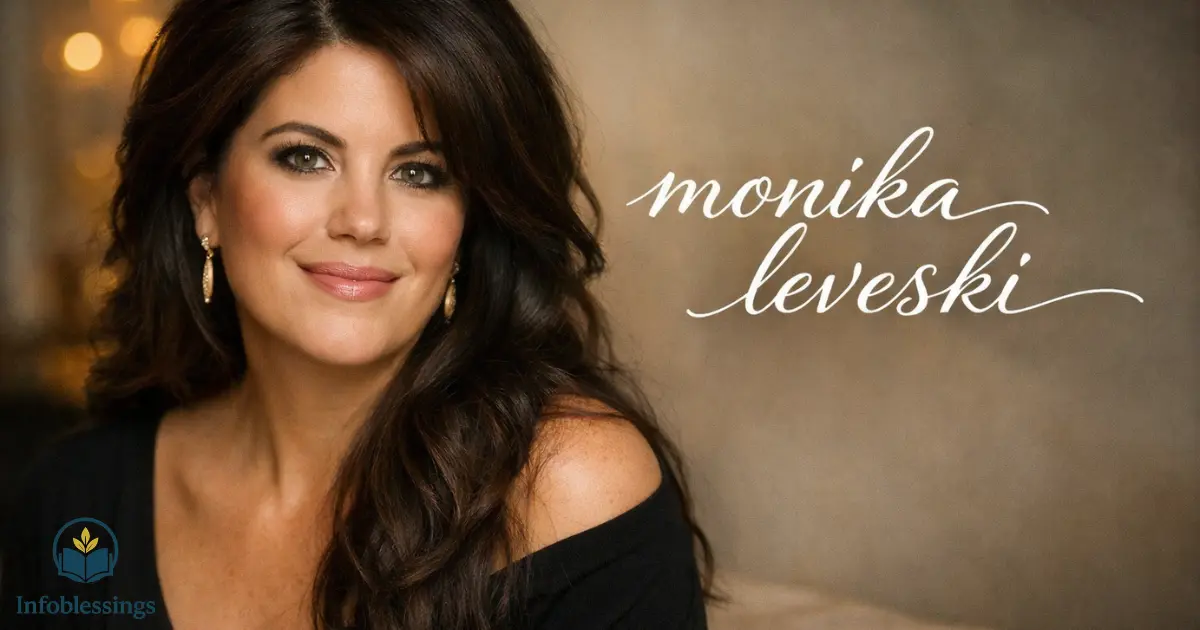
Monika Leveski Story: Scandal, Impact & Life Today
Introduction
The story of Monica Lewinsky, often searched as “monika leveski” remains one of the most influential and widely discussed events in modern American history. What began as a private relationship quickly turned into a global headline, shaping conversations around political scandals in the USA, media ethics, and public image crisis. Over time, her story has evolved beyond controversy, highlighting powerful lessons about online harassment awareness and reputation recovery.
Today, Monica Lewinsky is not just known for the past but for her strong voice against cyberbullying culture. In this article, we explore her journey, the impact of the scandal, and why her story still matters in today’s digital and media-driven world.
Who Is Monika Leveski?

Monica Lewinsky, often searched as “monika leveski,” is an American public figure who first gained global attention in the late 1990s. She was a White House intern during the presidency of Bill Clinton.
Her involvement in a highly publicized political scandal in the USA made her a central figure in media and politics. Over time, she shifted her identity from controversy to advocacy.
Today, she is known for her work in anti-bullying campaigns and raising awareness about online harassment culture.
Early Life and Background
Monika Leveski was born in 1973 in San Francisco, California. She grew up in a well-educated family and attended Lewis & Clark College.
Her early life reflects a typical American upbringing, but her future would take an unexpected turn.
Key Highlights
- Raised in California
- Studied psychology
- Interned in Washington, D.C.
- Entered public life unexpectedly
This phase of her life is important to understand how an ordinary individual can become central to a global political controversy.
The White House Internship
Monika Leveski began her White House internship in 1995 during the administration of Bill Clinton. At the time, she was a young graduate gaining experience in government work environment and political administration.
Her role included assisting staff and learning about daily operations inside the White House. During this period, she developed a personal relationship that later became a major political scandal in the USA.
This internship, which started as a career opportunity, ultimately placed her at the center of one of the most talked-about events in American political history.
What Happened?
She later became involved in a relationship with the president, which eventually led to one of the biggest political scandals in U.S. history.
Why It Matters
This event changed how Americans viewed:
- Presidential accountability
- Workplace ethics in government
- Power dynamics in leadership roles
The Clinton Scandal Explained
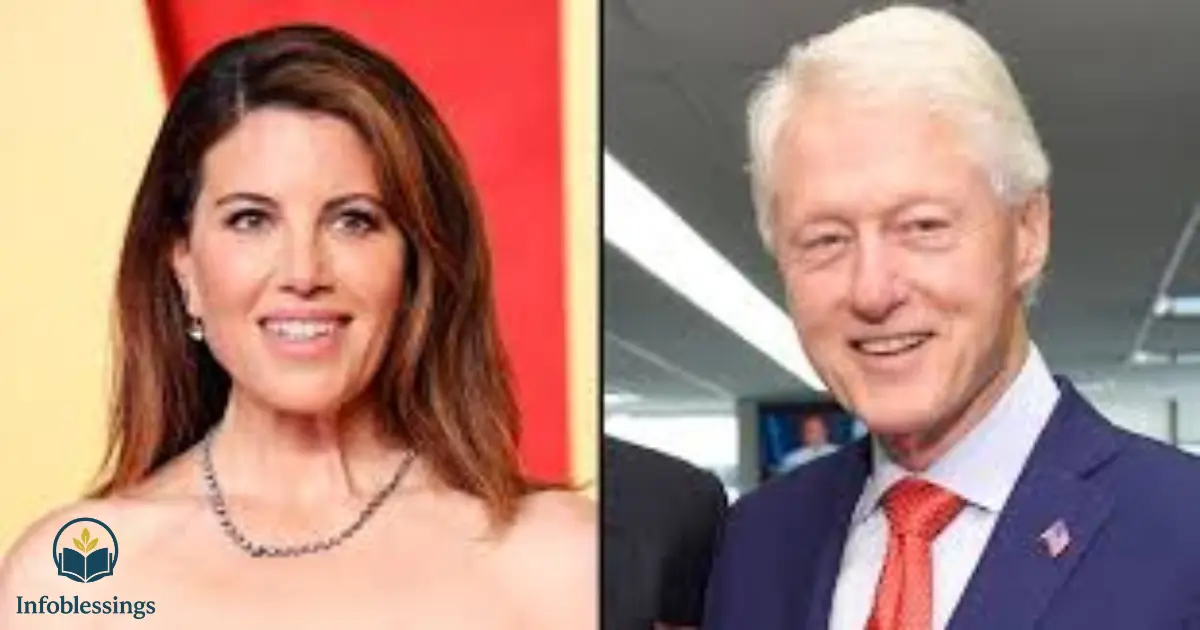
The scandal involving Monika Leveski and Bill Clinton became public in 1998 and quickly turned into a major political scandal in the USA.
It centered around a relationship that Clinton initially denied, which later led to intense investigations and national attention. The situation triggered debates about presidential accountability and ethical leadership standards.
As the controversy grew, it resulted in impeachment proceedings in the House of Representatives, making it a historic moment in American political history.
Timeline of Events
- Relationship begins (1995–1996)
- Confidential conversations recorded
- Investigation launched
- Public exposure in 1998
- Impeachment proceedings
Key Terms
- Impeachment process USA
- political accountability laws
- White House ethics policies
Media Frenzy and Public Reaction
The scandal involving Monika Leveski triggered an intense media storm across the United States and beyond. News channels, newspapers, and talk shows covered the story nonstop, reflecting the rise of 24/7 news coverage and tabloid journalism culture.
Lewinsky became the focus of widespread public scrutiny, jokes, and criticism, highlighting issues of media ethics and public shaming. The early internet also played a role, spreading information rapidly and shaping digital media influence.
This reaction marked a turning point in how scandals were reported, showing the powerful impact of mass media and public opinion on personal lives.
Media Impact
- Constant news coverage
- Late-night show jokes
- Public humiliation
This era marked the rise of tabloid journalism culture and 24/7 news cycles.
Real-Life Example
Lewinsky has often spoken about how she became “patient zero” of online shaming culture, even before social media fully existed.
Life After the Scandal
After the scandal, Lewinsky struggled to rebuild her life. She faced:
- Job rejections
- Public criticism
- Emotional stress
However, she eventually pursued higher education and shifted her career path.
Turning Point
Her decision to speak publicly about her experience changed how people viewed her story.
Career Transformation and Advocacy
Today, Monica Lewinsky is a respected advocate.
What She Does Now
- Anti-bullying campaigns
- Public speaking
- Writing and producing
She has worked with organizations like Bystander Revolution to fight cyberbullying awareness.
Key Contributions
- Promotes digital privacy rights
- Raises awareness about mental health and public shaming
- Encourages ethical media practices
Impact on Politics and Media
The scandal changed American politics forever.
Political Impact
- Strengthened investigative journalism standards
- Highlighted presidential conduct expectations
Media Impact
- Rise of sensational news reporting
- Early influence on internet culture and virality
Key Benefits of Understanding This Story
Understanding the “monika leveski” story offers valuable insights:
- Learn about media responsibility
- Understand power dynamics in workplaces
- Recognize dangers of online harassment
- Gain perspective on public image management
- Explore modern political accountability
Common Mistakes to Avoid
When discussing this topic, people often make these mistakes:
1. Ignoring Context
The scandal is often oversimplified without understanding political and social dynamics.
2. Blaming One Side Only
It’s important to analyze both power imbalance issues and ethical responsibility.
3. Overlooking Her Growth
Many fail to recognize Lewinsky’s transformation into an advocate.
Expert Tips / Pro Insights
1. Focus on Lessons, Not Just Drama
The real value lies in understanding media ethics and public accountability.
2. Analyze Through Modern Lens
Compare the scandal to today’s social media outrage culture.
3. Learn About Reputation Recovery
Lewinsky’s journey is a case study in personal branding recovery.
4. Apply to Digital Age
Her story is highly relevant in the era of cancel culture and online identity management.
Conclusion
The story of “monika leveski,” or Monica Lewinsky, is far more than a political scandal. It’s a powerful narrative about resilience, media influence, and personal growth.
From being at the center of global controversy to becoming a voice against cyberbullying and public shaming, her journey offers meaningful lessons for today’s digital world.
If you want to better understand media, politics, and online culture, this story is essential reading.
FAQs
What is the monika leveski scandal about?
It refers to the relationship between Monica Lewinsky and President Bill Clinton, which led to a major political controversy in the 1990s.
Why is monika leveski still relevant today?
Her story connects to modern issues like online harassment, cancel culture, and digital reputation management.
What does Monica Lewinsky do now?
She is an activist and public speaker focusing on anti-bullying campaigns and media ethics awareness.
How did the scandal impact US politics?
It led to President Clinton’s impeachment and changed how political accountability is viewed in America.
What lessons can we learn from monika leveski’s story?
It teaches the importance of media responsibility, ethical leadership, and handling public criticism in the digital age.

I’m M. Zada, creator of InfoBlessings.com, sharing daily blessings, motivational quotes, and lifestyle & entertainment insights to inspire positivity and awareness. With 5+ years in SEO and guest posting, I help websites grow through quality content and ethical backlinks. Let’s achieve more together!