Zero Waste Lifestyle 2026: Simple Tips Sustainable Living
In 2026, adopting a zero waste lifestyle has become essential for anyone interested in eco-friendly living and sustainable daily habits. Across Germany and worldwide, people are embracing plastic free lifestyle, low waste living, and green living ideas to reduce environmental impact. Simple actions like using reusable alternatives, refillable containers, and bamboo products, or implementing composting at home, can dramatically lower waste sent to landfills.
Following conscious consumerism and choosing biodegradable products supports a circular economy while encouraging sustainable choices for home. German residents benefit from strong systems like Pfandsystem Germany and Verpackungsgesetz Germany, making it easier to practice sustainable living Germany. By integrating zero waste kitchen habits, ethical shopping habits, and slow fashion into daily routines, anyone can achieve minimal waste living and contribute to a healthier planet without sacrificing comfort or convenience.
What is a Zero Waste Lifestyle and Why It Matters in 2026
A zero waste lifestyle focuses on reducing waste at the source. The goal is to send nothing to landfills, using renewable materials, reusable grocery bags, and stainless steel bottles. In 2026, climate change and overflowing landfills make it urgent to adopt this lifestyle. Every action, from bulk shopping to ethical shopping habits, can reduce environmental harm. Countries like Germany lead by example, showing that sustainable living Germany is possible through smart policies and sustainable choices for home.
Zero waste lifestyle in Germany is growing due to widespread education and social responsibility. People are learning about carbon footprint reduction, circular economy, and sustainable packaging. By following simple steps, anyone can achieve low impact living. Making conscious consumerism part of daily life ensures that homes and offices contribute to a cleaner, greener future. This approach also encourages slow fashion, upcycling ideas, and second-hand shopping, which reduce overall consumption.
Why the Zero Waste Lifestyle is Popular in Germany
Germany has a unique approach to green living Germany. Cities enforce strict recycling rules and programs like Pfandsystem Germany, which encourages bottle returns, and Verpackungsgesetz Germany, which mandates eco-friendly packaging. People here naturally follow eco conscious habits, and sustainable daily habits are part of culture. Living in eco friendly cities in Germany teaches residents about environmentally responsible choices from a young age.
Additionally, Germany’s commitment to sustainability includes local farmers market initiatives and bulk shopping options. Individuals adopt plastic free lifestyle in daily routines, including zero waste kitchen practices. Families focus on waste reduction tips while shops provide reusable alternatives and bamboo products. Green culture in Germany makes it easier for residents to maintain low waste living without sacrificing convenience.
Zero Waste Lifestyle Examples
Living a zero waste lifestyle can look different for everyone. Here are some practical examples:
- Using reusable shopping bags instead of plastic.
- Composting kitchen waste to create natural fertilizer.
- Avoiding single-use products like straws, bottles, and packaging.
- Buying in bulk to reduce unnecessary packaging.
- Swapping disposable hygiene products for reusable alternatives.
These small changes in daily life add up to a big environmental impact over time.
The 5 R’s Rule of Zero Waste (Refuse, Reduce, Reuse, Recycle, Rot)
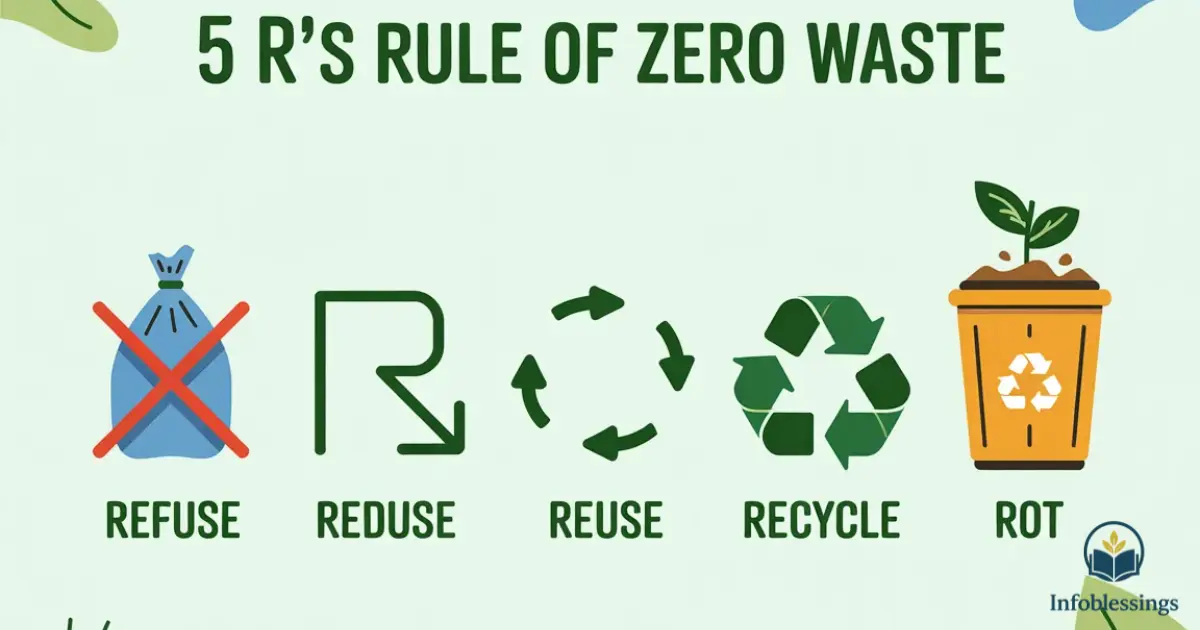
The 5 R’s guide zero waste living: Refuse, Reduce, Reuse, Recycle, and Rot. Refusing single-use plastics, reducing unnecessary purchases, and reusing containers helps limit reducing landfill waste. Recycling properly supports the Germany waste management system, while composting organic matter, or Rot, turns food scraps into nutrients. Homes following these rules adopt eco-friendly living while saving money and energy.
Table: Simple Examples of the 5 R’s
| R | Example | NLP Keywords Used |
|---|---|---|
| Refuse | Say no to plastic bags | reusable grocery bags, environmentally responsible choices |
| Reduce | Buy only what you need | low impact living, conscious consumerism |
| Reuse | Refillable bottles & jars | refillable containers, stainless steel bottles |
| Recycle | Separate paper, glass, metal | Germany recycling system, sustainable packaging |
| Rot | Compost kitchen waste | composting at home, zero waste kitchen |
This method encourages minimal waste living and makes green daily routine easy to follow for anyone.
How to Start a Zero Waste Lifestyle as a Beginner
Starting a zero waste lifestyle begins with small changes. Swap disposable items for reusable alternatives like bamboo products, stainless steel bottles, and refillable containers. Begin with one room, such as a zero waste kitchen, and gradually adopt sustainable daily habits. Following green living ideas ensures the lifestyle is manageable and enjoyable.
Beginner-friendly steps include second-hand shopping, bulk shopping, and buying biodegradable products. Tracking waste helps monitor progress and motivates change. Embracing eco conscious habits creates a foundation for sustainable choices for home. Even small actions, like bringing reusable grocery bags to markets, help maintain low impact living and contribute to sustainable living Germany.
How to Reduce Waste Lifestyle?
Reducing waste starts with making small, mindful choices in daily life. You can minimize waste by using reusable items, avoiding single-use plastics, choosing products with less packaging, and recycling or composting whenever possible. These simple habits help protect the environment, save money, and support a cleaner, more sustainable lifestyle over time.
Essential Zero Waste Swaps for Your Daily Life
Daily swaps can make a huge difference in a zero waste lifestyle. Replace plastic bags with reusable grocery bags, disposable bottles with stainless steel bottles, and single-use wraps with beeswax wraps or bamboo products. Kitchen swaps like bulk shopping reduce packaging waste, while composting at home handles food scraps effectively.
Bathroom routines also benefit from biodegradable products, such as shampoo bars, bamboo toothbrushes, and refillable soaps. Offices can embrace sustainable packaging and upcycling ideas to minimize waste. Integrating these swaps into a green daily routine ensures low waste living becomes part of everyday life.
Zero Waste Lifestyle Tips for Kitchen, Bathroom & Office
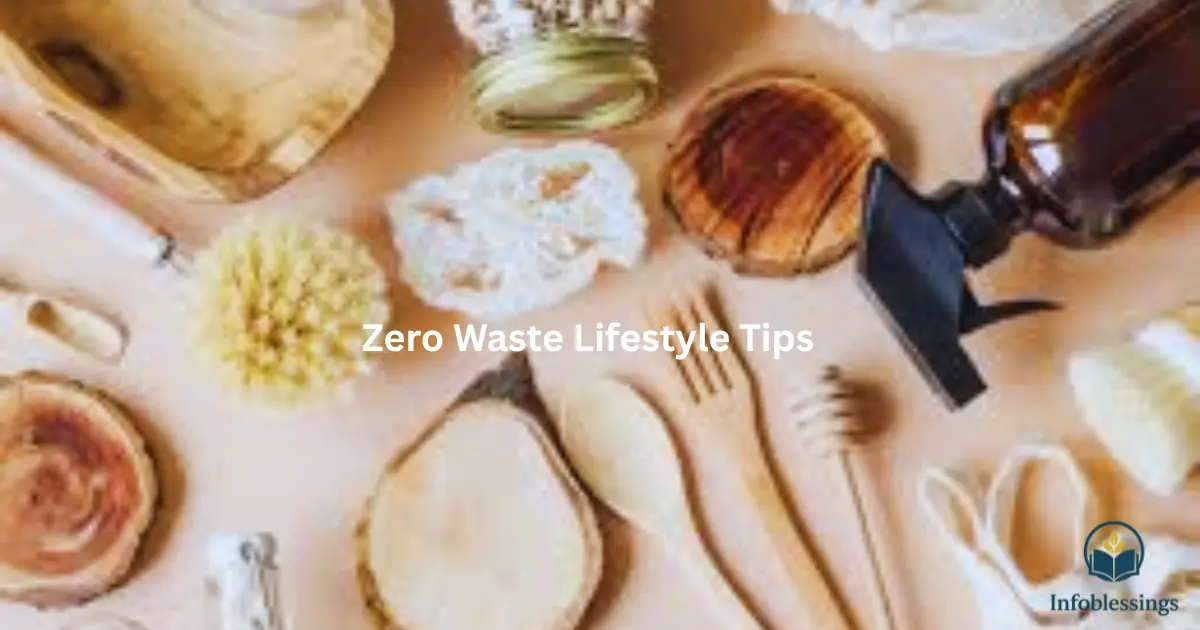
A zero waste kitchen can include jars for storage, refillable containers, and bulk shopping for grains and spices. Composting organic scraps and avoiding disposable cutlery make a kitchen truly eco-friendly. In bathrooms, replacing single-use items with bamboo products or biodegradable products reduces waste. Offices benefit from second-hand shopping, ethical shopping habits, and sustainable packaging.
Even digital habits can contribute. Reducing printing, managing emails, and reusing notebooks support sustainable lifestyle and eco-conscious habits. Combining these practices ensures that green living Germany or anywhere in the world is effective, cost-friendly, and environmentally responsible.
Zero Waste Lifestyle Tips: How to Start
Starting your zero waste journey doesn’t have to be overwhelming. Here are some easy tips:
- Refuse: Say no to single-use plastics.
- Reduce: Minimize the things you consume.
- Reuse: Opt for reusable bottles, bags, and containers.
- Recycle: Properly recycle the waste you cannot avoid.
- Rot: Compost organic waste to enrich soil.
Start small—one change at a time—and gradually build sustainable habits.
Best Zero Waste Products Available in Germany
Germany offers a variety of zero waste products. Popular choices include bamboo products, stainless steel bottles, beeswax wraps, and refillable containers. Eco stores and online shops provide options for sustainable packaging and renewable materials. Zero waste kitchen tools like reusable straws and compostable sponges are widely available.
Table: Top Zero Waste Products in Germany
| Product | Benefits | Where to Buy |
|---|---|---|
| Bamboo toothbrush | Biodegradable, durable | DM, Rossmann |
| Stainless steel bottles | Reusable, durable | Local eco stores |
| Beeswax wraps | Replace plastic wrap | Zero waste stores |
| Refillable containers | Reduce packaging | Online eco shops |
| Compost bin | Turns food scraps into fertilizer | Hardware stores |
Using these products makes minimal waste living achievable in any home or office.
Common Zero Waste Mistakes and How to Avoid Them
Many beginners try to achieve perfection, leading to frustration. Buying too many “eco-friendly” products at once can backfire. Focusing on conscious consumerism and slow changes ensures long-term success. Avoid falling for greenwashing, which pretends products are sustainable but aren’t. Understanding the Germany recycling system and proper disposal is crucial.
Mistakes like replacing items unnecessarily or ignoring reusable alternatives slow progress. Small, consistent actions like bulk shopping, upcycling ideas, and following sustainable daily habits make a difference. Over time, these choices improve low impact living and encourage environmentally responsible choices.
How the Zero Waste Lifestyle Saves Money and Energy
Living minimal waste reduces expenses by cutting unnecessary purchases. Bulk shopping, using refillable containers, and second-hand shopping can save hundreds yearly. Less packaging means less transportation, which lowers carbon emissions. Sustainable daily habits and low impact living create a lifestyle that is eco-friendly and budget-friendly.
Using biodegradable products, stainless steel bottles, and reusable grocery bags reduces waste and energy consumption. Even small habits, like switching to renewable materials, contribute to carbon footprint reduction. Following eco-conscious habits ensures that saving money and energy go hand-in-hand with protecting the planet.
Is a Zero Waste Lifestyle Really Possible? (Honest Truth)
A fully zero waste lifestyle is challenging but achievable with effort. Many families follow low waste living principles while accepting minor compromises. Perfection is not necessary; progress counts. Using reusable alternatives, bulk shopping, and biodegradable products brings measurable environmental benefits.
Even in busy cities, incorporating eco conscious habits and sustainable choices for home makes a difference. Green culture Germany proves that communities can successfully maintain plastic free lifestyle. Combining ethical shopping habits, composting at home, and second-hand shopping shows that anyone can live responsibly without stress.
Zero Waste Lifestyle Benefits
Adopting a zero waste lifestyle comes with multiple benefits:
Environmental Benefits:
- Reduces landfill waste and pollution.
- Conserves natural resources and energy.
Financial Benefits:
- Saves money by reusing items and avoiding disposable products.
- Encourages smarter, intentional spending habits.
Personal Benefits:
- Leads to a healthier, more mindful lifestyle.
- Helps create a clean and organized living space.
Real-Life Examples of Zero Waste Living in Germany
In Berlin, a family reduced landfill waste by 70% by following reusable alternatives and refillable containers. Students in Munich adopted zero waste kitchen methods while shopping at local farmers market. Cafés in Hamburg eliminated single-use cups and followed sustainable packaging, inspiring customers to try low impact living.
Community gardens and circular economy initiatives in Germany encourage slow fashion, upcycling ideas, and green living ideas. These examples prove that adopting eco-conscious habits in daily life is practical and rewarding. Sustainable living Germany shows how policy and culture together create a thriving environmental friendly lifestyle.
How to Maintain a Zero Waste Lifestyle Long-Term
Consistency is key to a lasting zero waste lifestyle. Tracking waste, sharing goals with friends, and celebrating small wins maintain motivation. Incorporating sustainable daily habits, reusable alternatives, and ethical shopping habits ensures that green routines stick. Minimal waste living becomes easier over time as habits solidify.
Engaging in community initiatives, learning about Germany waste management, and supporting eco friendly cities in Germany enhances commitment. Regularly updating your sustainable home ideas and reviewing green daily routine helps stay on track. Long-term adherence combines discipline, creativity, and a love for the planet.
Zero Waste Lifestyle Essay
The zero waste lifestyle is more than just reducing trash; it is a conscious approach to life that prioritizes sustainability. By minimizing waste, we protect the environment, conserve resources, and inspire others to adopt eco-friendly habits. Individuals can make a difference by making small changes, like avoiding disposable products and choosing reusable alternatives. Communities that embrace zero waste foster cleaner neighborhoods, healthier living, and a more sustainable planet for future generations.
Conclusion
Adopting a zero waste lifestyle in 2026 is both possible and rewarding. From the Germany recycling system to eco friendly cities in Germany, small choices like bulk shopping, reusable grocery bags, and bamboo products lead to a cleaner planet. Combining sustainable daily habits, low impact living, and conscious consumerism ensures a future where sustainability is achievable for everyone. Embracing eco-conscious habits today guarantees a greener, healthier tomorrow.
FAQs
1. What is a Zero Waste Lifestyle and why is it important in 2026?
A Zero Waste Lifestyle focuses on reducing waste by embracing eco-friendly living, plastic free lifestyle, and low waste living. In 2026, this approach is crucial for carbon footprint reduction, waste reduction tips, and promoting a sustainable home ideas mindset worldwide, including Germany.
2. How can beginners start a Zero Waste Lifestyle at home?
Beginners can start with reusable alternatives, refillable containers, and biodegradable products. Simple steps include bulk shopping, creating a zero waste kitchen, and adopting sustainable daily habits. Small, consistent actions support minimal waste living and eco-conscious habits in Germany and globally.
3. Which zero waste products are best for daily life in Germany?
Popular products include stainless steel bottles, bamboo products, beeswax wraps, and refillable containers. Eco-stores in eco friendly cities in Germany and online shops offer sustainable packaging and renewable materials to support sustainable living Germany and green daily routines.
4. How does a Zero Waste Lifestyle save money and energy?
Adopting a Zero Waste Lifestyle reduces spending by avoiding single-use items, choosing second-hand shopping, and practicing conscious consumerism. Using reusable grocery bags, bulk shopping, and upcycling ideas lowers energy consumption while promoting a low impact living and environmentally responsible choices.
5. Is it really possible to live completely zero waste?
Achieving perfection is difficult, but low waste living is possible through sustainable choices for home, ethical shopping habits, and composting at home. Combining green living Germany, slow fashion, and zero waste kitchen practices makes Zero Waste Lifestyle achievable for families and individuals worldwide.
6. Why I Gave Up On Zero-Waste Living Lifestyle?
I gave up because strict zero-waste living is hard to maintain daily, stressful, and time-consuming, so small sustainable habits are more practical.

I’m M. Zada, creator of InfoBlessings.com, sharing daily blessings, motivational quotes, and lifestyle & entertainment insights to inspire positivity and awareness. With 5+ years in SEO and guest posting, I help websites grow through quality content and ethical backlinks. Let’s achieve more together!