
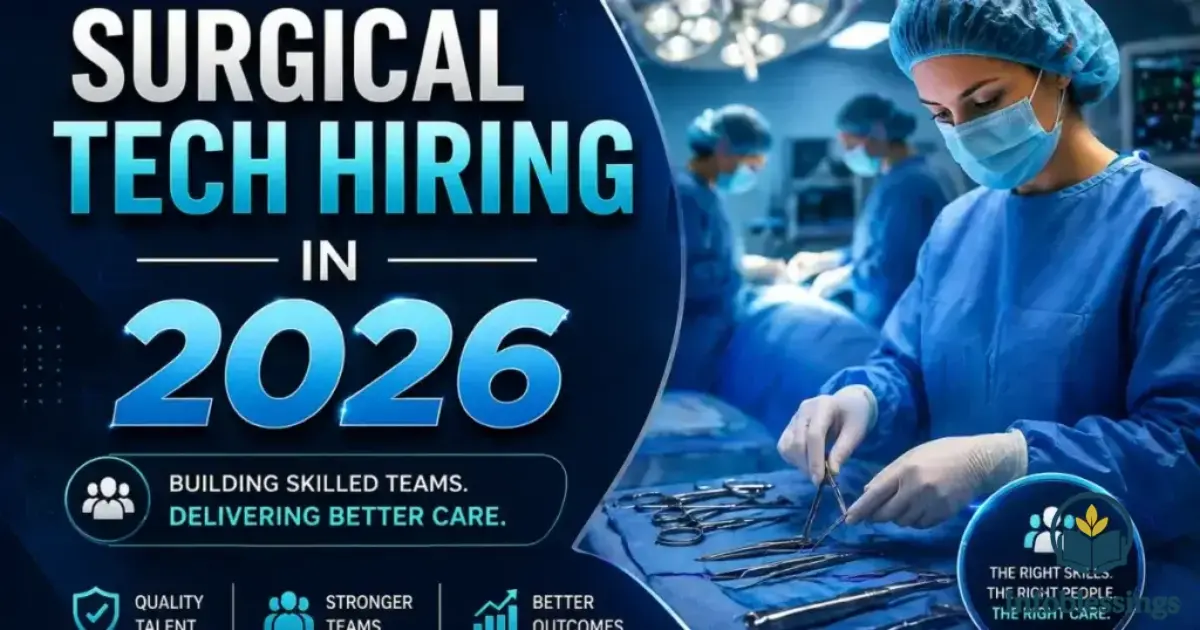
Surgical Tech Hiring in 2026: Proven Strategies to Recruit, Evaluate & Retain Top Talent Fast
Introduction
Surgical tech hiring has become one of the biggest challenges in modern healthcare. Hospitals are under pressure to perform more procedures, reduce errors, and maintain strict safety standards—yet finding skilled surgical technologists is getting harder every year.
If you’ve ever faced delayed hiring, last-minute staff shortages, or candidates who look good on paper but struggle in real operating rooms, you already know the problem runs deeper than just recruitment.
This guide is designed to solve that problem completely. You’ll discover how to hire the right surgical techs, avoid costly mistakes, improve retention, and build a reliable operating room team—even in a competitive hiring market.
Quick Answer Box (Featured Snippet Optimized)
Surgical tech hiring is the process of recruiting trained professionals who assist surgeons during operations by preparing instruments, maintaining sterile environments, and ensuring smooth surgical procedures.
Employers focus on certifications, hands-on experience, and attention to detail. A strong hiring process includes screening, skills testing, and proper onboarding to ensure patient safety and efficiency.
What Is Surgical Tech Hiring? (Simple Explanation + Expert Insight)
Surgical tech hiring involves selecting professionals who work inside the operating room (OR) and play a direct role in surgical success.
Unlike many healthcare roles, surgical technologists operate in high-pressure, time-sensitive environments where even small mistakes can have serious consequences.
What They Actually Do Daily:
- Set up sterile surgical environments
- Prepare and organize instruments
- Assist surgeons during procedures
- Anticipate surgical needs in real time
- Maintain strict infection control
Expert Insight:
The best surgical techs don’t just follow instructions—they predict what the surgeon needs before being asked. Hiring for this mindset is critical.
Why Surgical Tech Hiring Is More Important Than Ever
Healthcare demand is rising, but the supply of skilled surgical techs is not keeping up.
Key Industry Trends (2026):
- Increased outpatient surgeries
- Aging population requiring more procedures
- Burnout leading to workforce shortages
Why Smart Hiring Matters:
- Reduces surgical delays
- Improves patient outcomes
- Lowers hospital liability risks
- Enhances team performance
A single high-performing surgical tech can dramatically improve operating room efficiency and surgeon satisfaction.
Step-by-Step Surgical Tech Hiring Process (Complete Breakdown)

1. Create a High-Converting Job Description
Most employers fail here.
Instead of generic listings, include:
- Specific surgical specialties (e.g., orthopedic, cardiac)
- Shift expectations (on-call, weekends)
- Tools/technologies used in your OR
- Growth opportunities
Tip: Job posts that clearly explain expectations attract more qualified candidates and fewer mismatches.
2. Source Candidates Strategically
Don’t rely on one channel.
Best Sources:
- Healthcare job boards
- Surgical tech schools
- LinkedIn healthcare groups
- Staffing agencies
- Internal referrals
Pro Tip:
Build relationships with training institutes—this creates a long-term hiring pipeline.
3. Screen Smarter, Not Harder
Beyond resumes, look for:
- Real OR experience (not just training)
- Stability in past roles
- Certifications and renewals
- Attention to detail in application
4. Conduct High-Impact Interviews
Move beyond basic questions.
Ask Scenario-Based Questions:
- “What would you do if a sterile field is compromised?”
- “How do you handle unexpected complications during surgery?”
These reveal real-world thinking, not memorized answers.
5. Test Practical Skills (Critical Step)
Top hospitals now use:
- Simulation labs
- Mock surgical setups
- Instrument identification tests
Why This Matters:
A candidate may interview well but struggle in real surgical environments.
6. Verify Credentials Carefully
Always confirm:
- Certification (CST or TS-C)
- Clinical training hours
- References from surgeons or OR managers
Skipping this step can lead to serious compliance issues.
7. Onboard for Long-Term Success
Strong onboarding reduces turnover.
Include:
- OR protocol training
- Equipment familiarization
- Mentorship programs
Types of Surgical Tech Hiring (Which One Is Right for You?)

Permanent Hiring
Best for stability and long-term team building.
Travel Surgical Techs
Ideal for:
- Staff shortages
- Seasonal demand
- Emergency coverage
Per Diem Hiring
Flexible, cost-effective for short shifts.
Specialized Hiring
For advanced procedures like:
- Neurosurgery
- Cardiovascular surgery
- Robotic surgery
What Makes a Great Surgical Tech? (Beyond Certifications)
Technical Excellence
- Deep knowledge of instruments
- Sterile techniques mastery
- Procedure familiarity
Mental Strength
- Performs under pressure
- Quick decision-making
- High focus for long hours
Team Intelligence
- Communicates clearly
- Supports surgeons proactively
- Adapts to different personalities
Hiring Insight:
Skills can be trained—but attitude, awareness, and composure are harder to teach.
Surgical Tech Salary Insights (Updated 2026)
Average Salary Breakdown:
- Entry-Level: $40K–$50K
- Mid-Level: $50K–$65K
- Experienced: $65K–$85K+
Travel Surgical Techs:
- $2,000–$3,500 per week
Factors Affecting Salary:
- Location
- Specialty
- Experience
- Shift type
High-demand specialties often command premium pay rates.
Biggest Challenges in Surgical Tech Hiring (And How to Solve Them)
1. Talent Shortage
Solution: Build early pipelines with schools
2. Slow Hiring Process
Solution: Reduce interview stages and speed decisions
3. High Turnover
Solution: Improve work conditions and career growth
4. Skill Gaps
Solution: Add practical assessments
Best Practices to Hire Faster & Smarter
- Offer competitive pay and incentives
- Highlight workplace culture
- Reduce hiring delays
- Use structured interviews
- Invest in retention strategies
Employers who focus on both hiring AND retention outperform competitors.
Advanced Strategies (Used by Top Hospitals)
Data-Driven Hiring
Track:
- Time-to-hire
- Quality of hire
- Retention rate
AI & Automation
- Resume screening tools
- Candidate matching systems
Employer Branding
Showcase:
- Work environment
- Staff testimonials
- Career growth opportunities
Retention-Focused Hiring
Hire candidates who align with your culture and long-term goals.
Real-World Example
A regional hospital struggling with staffing shortages implemented:
- Faster hiring decisions
- Skills-based assessments
- Competitive pay adjustments
Results:
- 40% faster hiring
- 25% lower turnover
- Improved OR efficiency
FAQ Section
1. Is surgical tech hiring difficult in 2026?
Yes, due to high demand and limited qualified professionals, making strategic hiring essential.
2. What certification is most important?
The Certified Surgical Technologist (CST) is the most widely recognized and preferred credential.
3. Can new graduates be hired?
Yes, but they should undergo strong training and supervision initially.
4. How do you identify a high-performing surgical tech hiring?
Look for:
- Real OR experience
- Strong communication
- Ability to anticipate needs
5. Why do surgical techs leave jobs quickly?
Common reasons include:
- Burnout
- Long shifts
- Lack of growth opportunities
6. What’s the fastest way to hire surgical techs?
Partnering with staffing agencies and streamlining interviews significantly speeds up hiring.
7. Are travel surgical techs worth it?
Yes, especially for short-term needs, but they are more expensive than permanent staff.
8. How can small clinics compete with big hospitals?
- Offer flexible schedules
- Provide better work-life balance
- Create a supportive environment
9. What mistakes should employers avoid?
- Rushing hiring decisions
- Ignoring cultural fit
- Skipping skill assessments
10. How can retention be improved after hiring?
- Provide career growth
- Offer fair compensation
- Create a positive work culture
Conclusion
Surgical tech hiring is no longer just about filling vacancies—it’s about building a high-performing, reliable, and future-ready surgical team.
With increasing demand and limited talent, employers must adopt smart hiring strategies, faster processes, and strong retention plans to stay competitive.
By focusing on skills, mindset, culture fit, and long-term growth, you can transform your hiring process from reactive to strategic—and ensure consistent success in the operating room.

I am an expert writer committed to delivering insightful, engaging, and results-driven business content. With a deep understanding of market trends and evolving industry dynamics, I create content that informs, empowers, and helps readers stay ahead in today’s competitive landscape.
My focus is on producing high-quality, value-driven content that not only captures attention but also builds trust and long-term impact. Let’s achieve more together!